
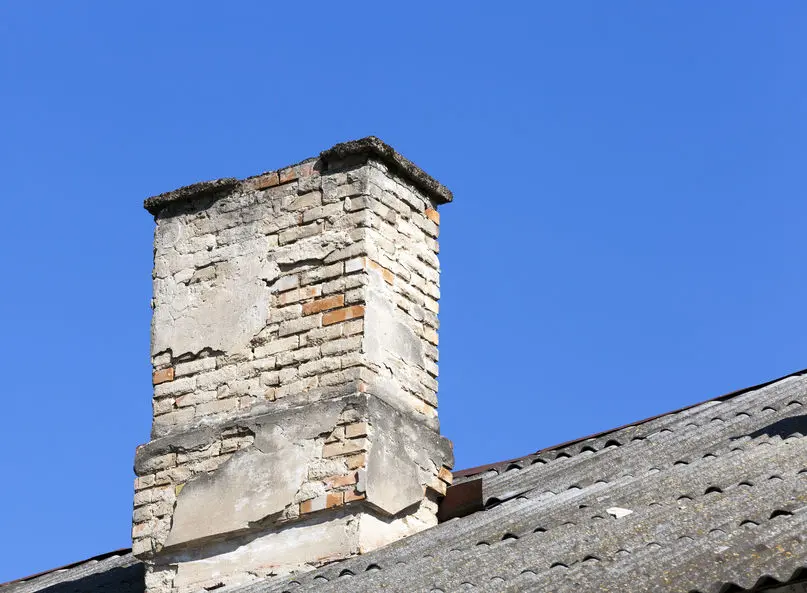
As chimney specialists, we often get calls from homeowners concerned about the appearance and integrity of their chimneys. One common issue we see is spalling bricks. Understanding what causes spalling is the first step toward preventing damage and ensuring your chimney remains safe and functional.
What Is Spalling?
Spalling occurs when the surface of your bricks begins to flake, peel, or crumble. This isn’t just an aesthetic issue, as spalling bricks can compromise the structural integrity of your chimney over time. The damage may start as small cracks or chips but can quickly worsen if left unaddressed.
Causes of Spalling Bricks
One of the main causes of spalling is water infiltration. When water penetrates the brickwork and freezes during cold months, it expands, causing the brick to crack or flake. Repeated freeze-thaw cycles accelerate the damage, which is especially common in the New England climate.
Another factor is poor-quality bricks or mortar. Bricks that are soft or improperly fired are more susceptible to moisture damage. Similarly, mortar that has deteriorated over time allows water to seep behind the brick face, weakening both the bricks and the chimney structure.
Environmental factors also play a role. Chimneys that are exposed to harsh weather, such as wind-driven rain or snow, are more prone to spalling. Additionally, chimneys that are not properly maintained develop weak spots that make spalling more likely.
As such, regular maintenance is crucial to preventing spalling. We recommend scheduling annual chimney inspections to identify and address minor issues before they become major problems. Repairing damaged bricks and repointing weakened mortar can extend the life of your chimney and protect your home.
If you’ve noticed crumbling or flaking bricks on your chimney, don’t wait for the problem to worsen. Contact us to make an appointment.