
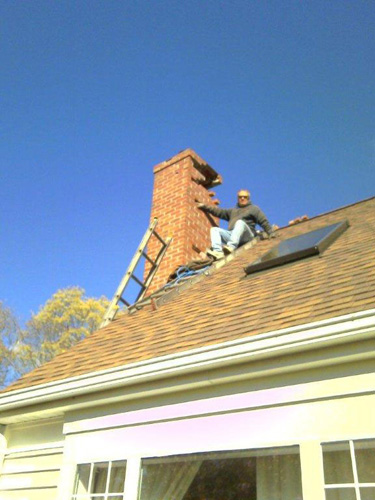
A well-built chimney can last for decades if it’s properly cared for. In coastal areas like Cape Cod, chimneys are exposed to unique challenges, including moisture, salt air, and fluctuating temperatures.
Old Tyme Chimney has spent more than 30 years helping homeowners protect their chimneys through expert care and preventative maintenance. Below, we’re sharing our top professional tips to help extend the life of your chimney and avoid costly repairs down the road.
Schedule Regular Chimney Inspections and Cleanings
One of the most important steps you can take is to stay consistent with professional chimney maintenance. Annual chimney sweeping and inspections help us identify early signs of damage such as cracked flue tiles, creosote buildup, or deteriorating mortar joints. These issues may seem minor at first, but left untreated, they can lead to major structural problems or safety hazards.
Routine maintenance also ensures your chimney is functioning efficiently and safely, whether you use it occasionally or throughout the heating season. Regular inspections allow us to address small concerns before they escalate, saving you time, money, and stress in the long run.
Protect Your Chimney From Water Damage
Water is the number one enemy of chimneys, especially in Massachusetts’ coastal climate. Moisture can seep into masonry, freeze and expand during colder months, and cause cracking or spalling. To combat this, we recommend installing chimney caps, maintaining proper flashing, and applying waterproofing treatments when appropriate.
A professionally installed chimney cap helps keep out rain, debris, and animals, while proper flashing prevents leaks where the chimney meets the roof. If your chimney is already showing signs of wear, timely masonry repair can restore its integrity and prevent further deterioration caused by water intrusion.
Use Your Fireplace Responsibly
How you use your fireplace also plays a role in your chimney’s longevity. Burning only seasoned, dry wood reduces creosote buildup and minimizes heat stress on the flue liner. Avoid burning trash, treated wood, or other inappropriate materials, as these can accelerate damage and create harmful byproducts.
Additionally, ensuring proper airflow and ventilation helps prevent excessive heat buildup, which can weaken chimney components over time.
If you’re unsure whether your system is operating as it should, a professional chimney inspection can provide clarity and peace of mind. Contact us to make an appointment.